Transforming Gels Through Training (TRAINGEL)
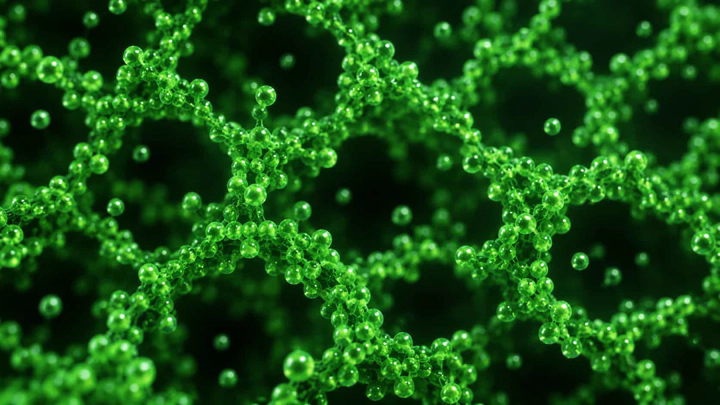 AI generated
Abstract
This project explores new ways to change the properties of gel materials—soft, jelly-like substances found in everyday products like food, cosmetics, and medical products. Normally, once a gel is made, its properties are set. However, we believe we can alter these properties after formation by applying specific gentle forces or vibrations, similar to how muscles can be strengthened through exercise.
Our team combines expertise from physics, materials science, and engineering to investigate the idea of “training” gels. The goal is to modify their properties, making them stronger, weaker, or giving them new capabilities. We will focus on three main methods for training gels: applying mechanical forces (stretching or squeezing), changing the internal interactions of gel particles, and using sound waves to see how these methods can affect the structure and behavior of different gels.
To carry out this research, we will use advanced microscopes and other tools to observe changes in the gels on a microscopic level. In addition, computer simulations will help us understand the physics behind how gels respond to training. If successful, this work could change the way we think about gels, enabling us to create adaptable materials with properties that can be fine-tuned after they are initially made.
The potential applications are vast. In medicine, for example, we could develop gels that deliver drugs more effectively or materials that support tissue growth. In soft robotics, gels could be designed to change shape or respond to stress in more sophisticated ways. Customizable gels could also be used in everyday products, giving manufacturers more control over how materials behave under different conditions.
Ultimately, learning how to train gels could lead to smarter, more flexible materials for the future. This research could open up new possibilities in fields like healthcare, engineering, and consumer goods. By being able to adjust and refine a material’s properties after its creation, we might unlock a new frontier in materials science, allowing for innovation and adaptability across many industries.
Team
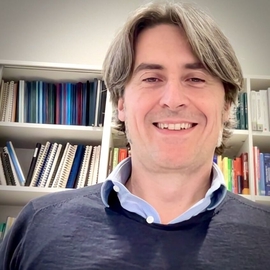
Roberto Cerbino
Professor of Experimental Soft Matter Physics
My research interests include Soft matter physics, living matter, cell biophysics and quantitative microscopy.

Sakshi Khandelwal
PhD Student
My research interests include rheology, rheo-microscopy and Soft matter physics.